Advertisements
Caloric Partitioning: The Secret to Building a Leaner Physique Without Starving Yourself
Here’s something that blew my mind a few years back — two people can eat the exact same number of calories and one ends up looking shredded while the other gains body fat. Sounds unfair, right? That’s caloric partitioning in action, and understanding it completely changed how I approach nutrition and body composition.
I spent years obsessing over total calorie counts, thinking that was the whole picture. Turns out, I was missing a massive piece of the puzzle. Let me walk you through what I’ve learned the hard way so you can skip the frustrating trial-and-error phase I went through.
What Exactly Is Caloric Partitioning?
Caloric partitioning is basically how your body decides what to do with the calories you eat. Does it shuttle those nutrients toward muscle tissue for growth and repair, or does it store them as body fat? That’s the million-dollar question.
Your body is constantly making this decision based on a bunch of factors — hormone levels, insulin sensitivity, training status, and even your genetics. Think of it like a traffic cop directing cars at an intersection. The goal is to get more of those caloric “cars” heading toward the muscle-building highway instead of the fat storage parking lot.
According to research highlighted by the National Institutes of Health, factors like nutrient timing and macronutrient composition play a significant role in how energy is partitioned in the body. So no, it ain’t just about calories in versus calories out.
Why I Was Getting It All Wrong
I remember back in my early thirties, I was eating what I thought was a “clean” diet. Plenty of chicken breast, rice, and broccoli — the classic bro meal. But I was still holding onto stubborn belly fat and couldn’t figure out why.
Advertisements
My biggest mistake was ignoring my insulin sensitivity. I’d slam a huge carb-heavy meal first thing in the morning when I hadn’t even moved yet. Those carbs were being partitioned straight into fat stores because my body simply didn’t need that energy at that moment.
Once I started paying attention to when and how I ate my macros relative to my workouts, things shifted dramatically. It was honestly frustrating that nobody told me this stuff sooner.
Practical Tips to Improve Your Caloric Partitioning
Alright, here’s the good stuff. These are strategies that actually worked for me when I was trying to build a leaner physique without feeling like a zombie from undereating.
- Prioritize resistance training. Lifting weights is probably the single best thing you can do to improve nutrient partitioning. Trained muscles act like sponges for glucose and amino acids, pulling nutrients away from fat cells. The American College of Sports Medicine recommends at least 2-3 strength sessions per week.
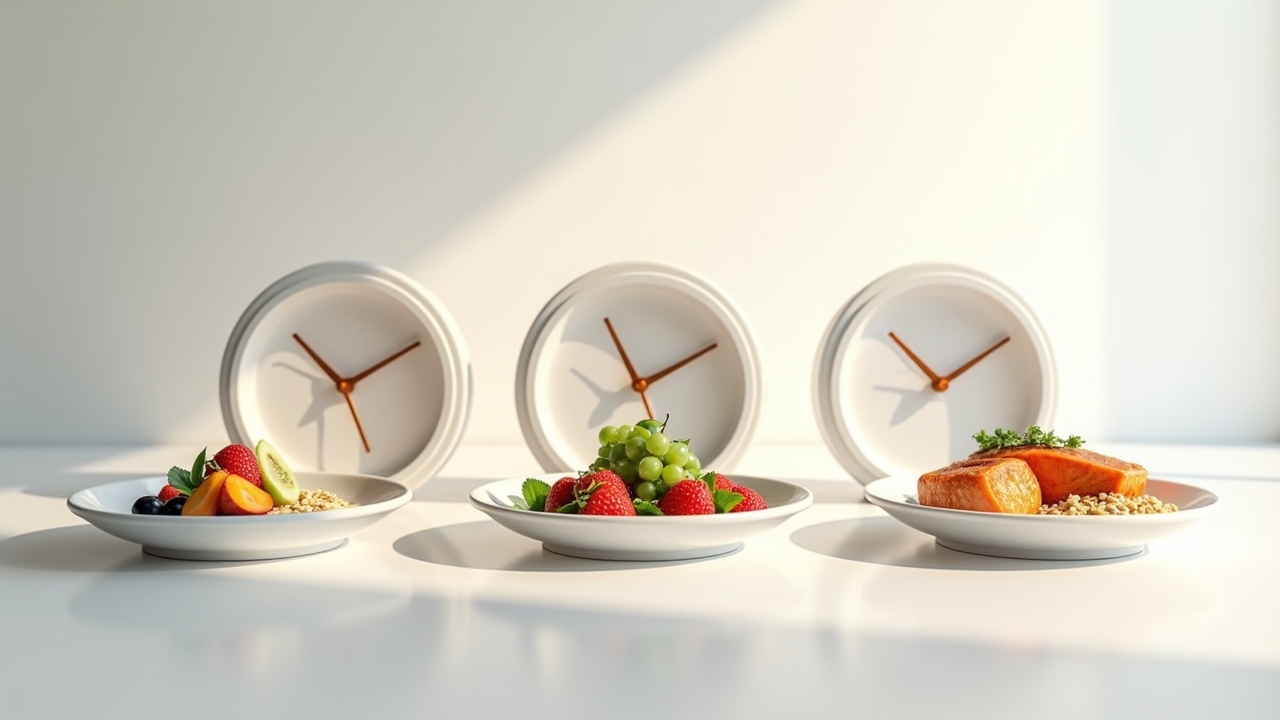
- Time your carbs around workouts. This was a game changer for me. Eating the majority of your carbohydrates before and after training means those calories are more likely to fuel performance and recovery rather than get stored as fat.
- Get enough protein. Protein has a higher thermic effect than carbs or fat, meaning your body burns more energy just digesting it. Aim for around 0.7 to 1 gram per pound of body weight daily.
- Improve your sleep. I know, I know — everyone says this. But poor sleep wrecks your hormone profile, especially cortisol and growth hormone levels, which directly impacts how your body partitions calories.
- Consider body recomposition over extreme cuts. Instead of massive caloric deficits that tank your metabolism, a slight deficit or even eating at maintenance while training hard can shift your body composition over time.
Don’t Forget About Insulin Sensitivity
This one deserves its own section because it’s that important. Improving your insulin sensitivity basically tells your muscle cells to be more receptive to nutrients. Things like walking after meals, consuming fiber-rich foods, and staying hydrated all help.
I started adding a 15-minute walk after my bigger meals and honestly noticed a difference within weeks. Small habits compound into big results — something I wish my younger self understood.
Your Leaner Physique Starts With Smarter Choices
Look, caloric partitioning isn’t some magic trick, but it is the difference between spinning your wheels and actually seeing results in the mirror. Everyone’s body responds a bit differently, so tweak these strategies to fit your lifestyle and listen to what your body is telling you.
Always consult a healthcare professional before making drastic changes to your diet or exercise routine. And if you’re hungry for more evidence-based tips on building the body you want, head over to the Elite Body System blog — we’ve got plenty more where this came from!