Advertisements

Recomp vs Bulk and Cut: Which Approach Actually Works Better?
Here’s a stat that blew my mind when I first heard it — roughly 80% of people who start a traditional bulk and cut cycle never actually finish the cut phase. They just stay… bulky. I know because I was one of them for almost two years! If you’ve ever stared at yourself in the mirror wondering whether you should chase two goals at once or tackle them separately, you’re in the right place.
The debate between body recomposition and the classic bulk-and-cut cycle is honestly one of the most argued topics in fitness. And it matters because picking the wrong approach for your situation can waste months of effort. Trust me, I learned that the hard way.
What Even Is a Recomp?
Body recomposition — or “recomp” — means building muscle and losing fat at the same time. You eat roughly around your maintenance calories and let your training do the heavy lifting, literally. The scale might not move much, but your body composition changes over time.
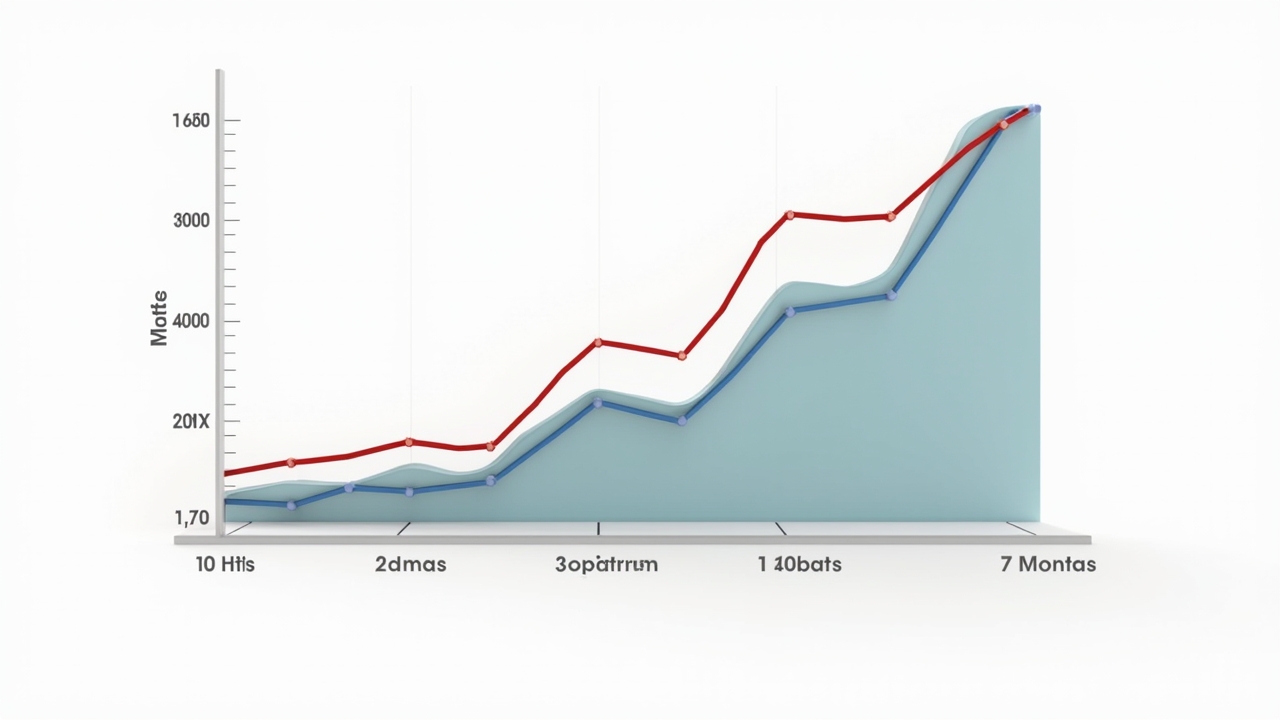
I tried recomping for about six months back in 2019. Progress was slow, like watching paint dry some weeks. But when I compared photos from month one to month six, the difference was actually pretty wild — I looked leaner and more muscular even though my weight barely changed by three pounds.
The Bulk and Cut Cycle Explained
The bulk and cut approach is more old-school. You spend a period in a caloric surplus to maximize muscle gain, then switch to a calorie deficit to strip away the fat you gained along the way.
During my first bulk, I went way too aggressive — we’re talking pizza every other night because “I need the surplus, bro.” I gained muscle for sure, but I also packed on way more body fat than necessary. The cutting phase afterwards was miserable and took longer than the bulk itself. A lean bulk with a modest 200-300 calorie surplus would’ve been way smarter.
Advertisements
Who Should Recomp?
Recomposition works best for specific groups of people. It’s not a one-size-fits-all deal.
- Beginners: If you’re new to resistance training, your body responds incredibly fast. Newbie gains are real and a recomp takes full advantage of them.
- People returning after a break: Muscle memory is a beautiful thing. If you’ve been out of the gym for a while, recomping can get you back to your previous shape surprisingly quick.
- “Skinny fat” individuals: If you’re not particularly overweight but lack muscle definition, recomp is honestly your sweet spot.
Who Should Bulk and Cut?
Now, if you’ve been training consistently for a couple years and progress has stalled, a dedicated bulking phase might be exactly what you need. Intermediate and advanced lifters usually struggle to build significant muscle at maintenance calories because their bodies have already adapted.
Also, if you have a specific physique goal or a competition deadline, bulk and cut gives you more control over the timeline. You can be more strategic about when you add size and when you lean out. It’s just more predictable, which some people really need.
The Honest Pros and Cons
Recomping is mentally easier because you never feel like your stuffing yourself or starving. But the progress is slower and harder to measure. I remember getting frustrated because the scale wasn’t validating my effort — that messed with my head more than I expected.
Bulking and cutting delivers faster, more visible results in each phase. However, the transitions between phases can be rough on your metabolism and your relationship with food. Some people develop really unhealthy eating patterns bouncing between surplus and deficit, which is something that doesn’t get talked about enough.
What I’d Tell My Younger Self
Honestly? Start with a recomp if you’re in your first year or two of serious training. Enjoy those beginner gains without the headache of tracking every macro down to the gram. Once progress genuinely stalls and you’ve built a solid foundation of strength training habits, then consider a lean bulk followed by a controlled cut.
There’s no universally “better” approach — it completely depends on your training experience, body fat percentage, and goals. The worst thing you can do is pick a strategy just because some influencer said so. Experiment, track your results, and adjust. Your body will tell you what’s working if you pay attention.
And hey, whatever path you choose, make sure you’re being safe about it. Don’t crash diet during cuts or eat yourself sick during bulks. For more practical fitness guides tailored to real people, check out the Elite Body System blog — we’ve got plenty of posts to help you figure out your next move!