
Advertisements
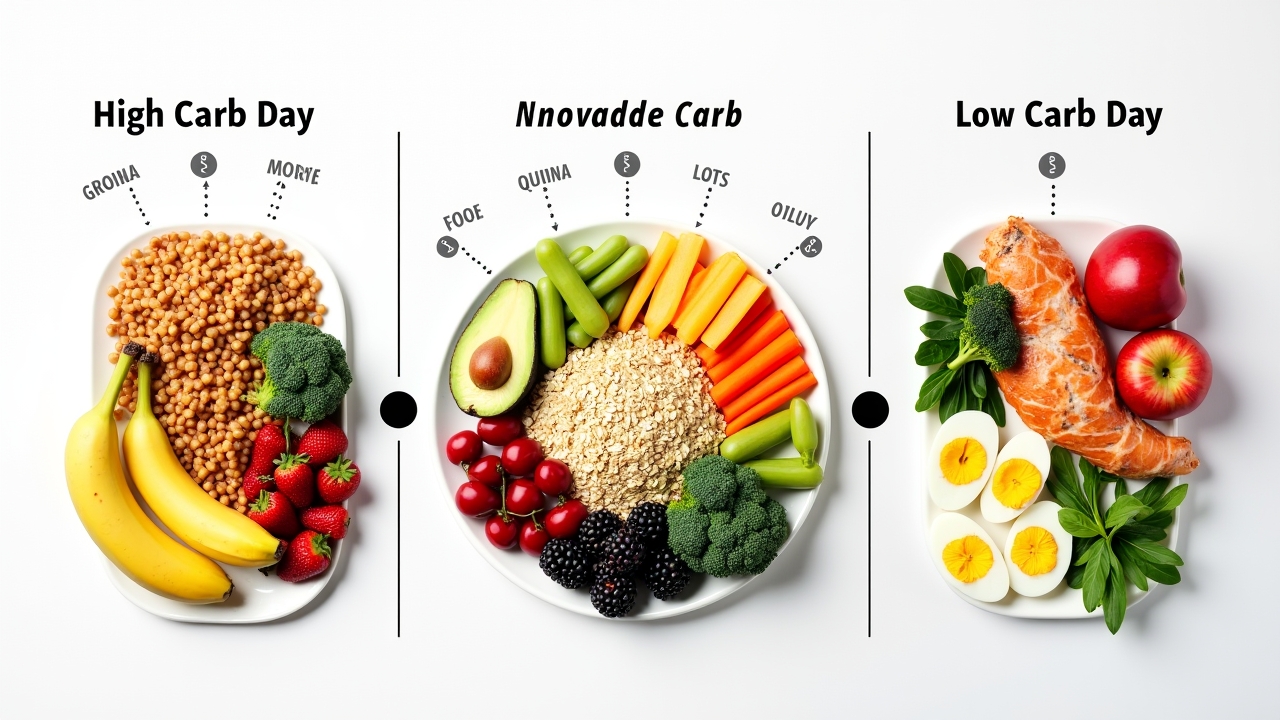
Metabolic Flexibility Fat Loss: Why Your Body’s Fuel-Switching Ability Is the Real Game Changer
Here’s a stat that honestly blew my mind — researchers estimate that nearly 90% of Americans have some degree of metabolic dysfunction. Ninety percent! When I first stumbled across that number from a University of North Carolina study, I literally set my coffee down and stared at my screen.
That’s when I started digging into metabolic flexibility fat loss, and let me tell you — it changed everything about how I approach nutrition and exercise. If you’ve been struggling to lose stubborn body fat despite doing “all the right things,” this might be the missing puzzle piece you didn’t know you needed.
What Is Metabolic Flexibility, Anyway?
In simple terms, metabolic flexibility is your body’s ability to efficiently switch between burning carbohydrates and burning fat for fuel depending on what’s available. Think of it like a hybrid car that seamlessly toggles between gas and electric. Pretty cool, right?
When you’re metabolically flexible, your body taps into fat stores during fasting or low-intensity activity and then smoothly shifts to using glucose when you eat carbs or do high-intensity training. The problem is, most of us have trained our bodies to rely almost exclusively on sugar and carbs for energy. I was definitely one of those people for years — constantly hangry, crashing at 2 PM, and reaching for snacks every couple hours like my life depended on it.
Why Metabolic Inflexibility Keeps You Stuck
So here’s where it gets frustrating. When your body can’t efficiently access stored fat for fuel, you’re basically sitting on a goldmine of energy that you can’t touch. Your cells are screaming for fuel, but they’ve forgotten how to use the fat that’s literally right there.
This metabolic inflexibility is often driven by chronic high insulin levels, excessive processed food consumption, and sedentary habits. I remember when a friend of mine — a personal trainer, no less — explained it to me like this: “Your fat-burning machinery is rusty.” That clicked for me more than any scientific paper ever could.
Advertisements
The result? Your body keeps demanding more carbs, you stay stuck in a fat-storage cycle, and weight loss feels impossibly hard. It was maddening when I was experiencing this firsthand.
How I Started Training My Body to Burn Fat Again
Alright, here’s the practical stuff. These are the strategies that actually worked for me — and they’re backed by solid science too.
- Time-restricted eating: I started with a simple 14:10 intermittent fasting window. Nothing crazy. This alone helped lower my baseline insulin levels and gave my body a reason to tap into fat stores. The New England Journal of Medicine published a great review on intermittent fasting benefits if you want to nerd out.
- Zone 2 cardio: Low-intensity steady-state exercise — like brisk walking or easy cycling — specifically trains your mitochondria to oxidize fatty acids. I started doing 30-minute walks after dinner and honestly, it was a game changer for my energy levels.
- Strength training: Building lean muscle mass improves insulin sensitivity dramatically. More muscle means better glucose uptake, which means your body doesn’t need to pump out as much insulin.
- Reducing refined carbs gradually: I didn’t go full keto or anything extreme. I just swapped out the obvious junk — white bread, sugary drinks, processed snacks — and focused on whole foods with more protein and healthy fats.
- Prioritizing sleep: This one was being overlooked by me for way too long. Poor sleep absolutely wrecks your insulin sensitivity and cortisol levels, which tanks metabolic flexibility.
The Turning Point Nobody Talks About
Here’s what surprised me most. After about three to four weeks of consistent habits, I stopped feeling like a bottomless pit between meals. That constant hunger just… faded. My body was finally learning to use its own fat reserves efficiently, and it felt like freedom.
I also noticed my workouts improved. I wasn’t bonking during morning exercise anymore because my body could actually pull from fat stores instead of desperately needing a pre-workout banana. Small victory, but man it felt good.
Your Body Already Knows How — You Just Gotta Remind It
Look, metabolic flexibility fat loss isn’t some trendy hack or magic pill. It’s about restoring a natural metabolic function that most of us have lost through modern eating habits. The beauty is that your body already has the machinery — it just needs a little nudge in the right direction.
Start slow, be patient with yourself, and definitely talk to your doctor before making big dietary changes, especially if you have blood sugar issues or any existing health conditions. Everyone’s body is different, so customize these strategies to fit your life.
If you found this helpful, make sure to check out more posts on the Elite Body System blog — we’re always breaking down practical, no-BS approaches to getting healthier and stronger. Your future self will thank you!