Advertisements

Why Custom Mobility Programs for Professionals Are a Total Game-Changer
Here’s a stat that honestly blew my mind — nearly 1.71 billion people worldwide deal with musculoskeletal conditions. That’s a LOT of stiff backs and cranky joints! And if you’re a working professional glued to a desk or constantly on your feet, chances are you’ve felt that familiar ache creeping in by Wednesday afternoon.
I spent years thinking a generic stretching routine from YouTube would fix everything. Spoiler alert — it didn’t. That’s when I stumbled into the world of custom mobility programs for professionals, and honestly, it changed the way I move, work, and feel on a daily basis.
What Exactly Are Custom Mobility Programs?
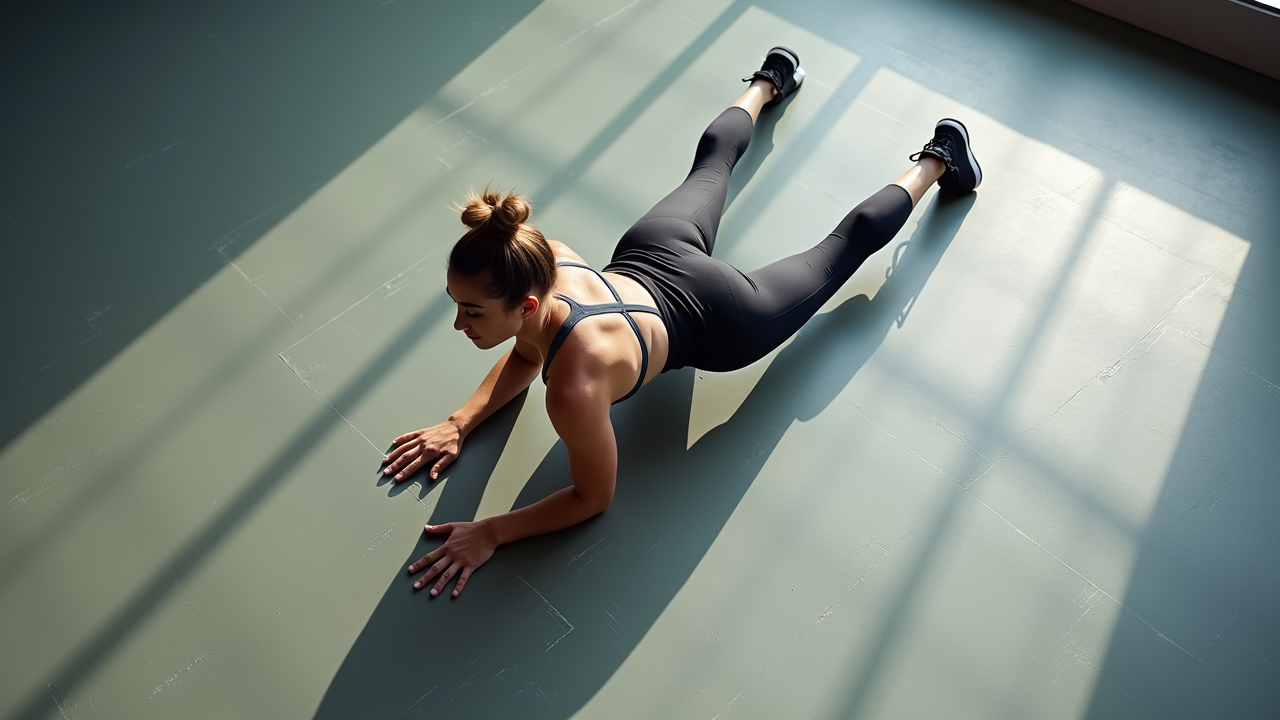
So let’s break this down real quick. A custom mobility program is basically a personalized movement plan designed around YOUR body, YOUR job demands, and YOUR specific limitations. It’s not some cookie-cutter routine that assumes everyone has the same tight hips.
Think of it like this — a software engineer who sits for ten hours has completely different needs than a nurse who’s on her feet all shift. A tailored mobility routine addresses joint range of motion, functional flexibility, and movement patterns that are specific to what you actually do every day. Generic programs miss all of that nuance, and that’s where people get frustrated or even injured.
My Embarrassing Wake-Up Call
I gotta be honest with you. A few years back, I threw out my back reaching for a coffee mug. A coffee mug! It wasn’t some heroic deadlift story — it was just years of poor movement habits finally catching up with me.
My physical therapist at the time told me something that stuck: “You don’t have a strength problem, you have a mobility problem.” She was right. I’d been ignoring how stiff my thoracic spine had gotten from hunching over a laptop for years. That was the moment I started taking personalized mobility work seriously, and I wish I’d done it sooner.
Advertisements
Why Professionals Specifically Need This
Here’s the thing most people overlook. Your occupation literally shapes your body over time. According to OSHA’s ergonomics guidelines, repetitive movements and sustained postures are major contributors to workplace injuries. And these aren’t just warehouse workers we’re talking about — office professionals are getting wrecked too.
Custom mobility programs for professionals take your daily movement patterns into account. They target the specific areas that get overworked or neglected based on your career demands. Whether you’re dealing with anterior pelvic tilt from sitting or shoulder impingement from overhead work, a tailored approach actually addresses the root cause.
Key Benefits You’ll Actually Notice
- Reduced joint stiffness and chronic pain throughout the workday
- Better posture without constantly reminding yourself to “sit up straight”
- Improved energy levels — seriously, better mobility means less fatigue
- Lower risk of repetitive strain injuries over time
- Enhanced performance in workouts and daily activities
How to Get Started Without Overcomplicating Things
One mistake I made early on was trying to do everything at once. I downloaded like four different mobility apps, bought a foam roller, a lacrosse ball, resistance bands — the whole nine yards. Most of it collected dust within two weeks.
My advice? Start simple. Identify your two or three biggest problem areas. For most desk workers, that’s usually the hips, thoracic spine, and shoulders. Spend just 10-15 minutes a day on targeted mobility drills for those areas. The American Council on Exercise has some great beginner resources if you need a starting point.
From there, consider working with a movement specialist or certified trainer who can assess your specific needs. A proper functional movement screening can reveal imbalances you didn’t even know you had. Trust me, it’s worth the investment.
Your Body Will Thank You Later
Look, I know mobility work isn’t as sexy as hitting a new PR or crushing a HIIT session. But custom mobility programs for professionals are genuinely one of the smartest things you can do for your long-term health and career longevity. Your body is your most important tool — treat it that way.
Just remember, what works for someone else might not work for you, and that’s perfectly okay. Always listen to your body and consult a qualified professional before starting any new program, especially if you’re dealing with existing injuries.
If you’re hungry for more tips on movement, recovery, and building a body that actually feels good — head over to the Elite Body System blog. We’ve got tons of practical content waiting for you there!