Advertisements
Optimal Protein Intake for Muscle Growth: What I Wish I’d Known 10 Years Ago
Here’s a stat that honestly blew my mind — roughly 80% of gym-goers aren’t eating enough protein to actually support the muscle they’re trying to build. I was one of them for way too long! After years of spinning my wheels, tracking every gram, and making some pretty embarrassing mistakes along the way, I finally figured out what optimal protein intake for muscle really looks like.
And trust me, it’s not as complicated as the fitness industry wants you to believe. But getting it wrong? That’ll cost you months — maybe even years — of progress.
How Much Protein Do You Actually Need for Muscle Growth?
So let’s cut straight to it. The current research from Harvard Health and most sports nutrition studies point to a sweet spot of 1.6 to 2.2 grams of protein per kilogram of body weight per day for building muscle. That’s roughly 0.7 to 1 gram per pound if you prefer imperial measurements.
For years, I was eating maybe 60 grams a day and wondering why my arms looked the same after six months of lifting. It was honestly embarrassing. Once I bumped my daily protein intake up to around 150 grams — which matched my body weight in pounds — things started changing fast.
Now here’s something most people get wrong. More isn’t always better. Slamming down 300 grams of protein a day when you weigh 170 pounds is basically just expensive urine, to put it bluntly.
Timing Matters More Than I Thought
Okay so I used to think protein timing was bro science. Turns out, I was partially wrong. While you don’t need to chug a shake within 30 seconds of your last rep, spreading your protein across meals throughout the day does make a real difference for muscle protein synthesis.
Advertisements
The International Society of Sports Nutrition recommends consuming protein every 3 to 4 hours in servings of about 20 to 40 grams. I aim for four meals with roughly 35-40 grams each, and it’s been a game changer for my recovery and overall lean muscle mass.
One thing that tripped me up — I was loading almost all my protein at dinner. Breakfast was like toast and coffee. Big mistake on my part.
Best Protein Sources I’ve Actually Stuck With
Look, I’ve tried every protein source under the sun. Some were great. Some were absolutely miserable. Here’s what’s actually stayed in my rotation:
- Chicken breast — boring but reliable, about 31 grams per serving
- Greek yogurt — sneaky good, around 15-20 grams per cup
- Eggs — cheap and versatile, 6 grams each
- Whey protein powder — for when I’m lazy or in a rush
- Lean ground turkey — my secret weapon for meal prep
Complete proteins that contain all essential amino acids should be your priority. That said, if you’re plant-based, combining sources like rice and beans works perfectly fine for hitting your amino acid profile needs.
What About Protein Supplements?
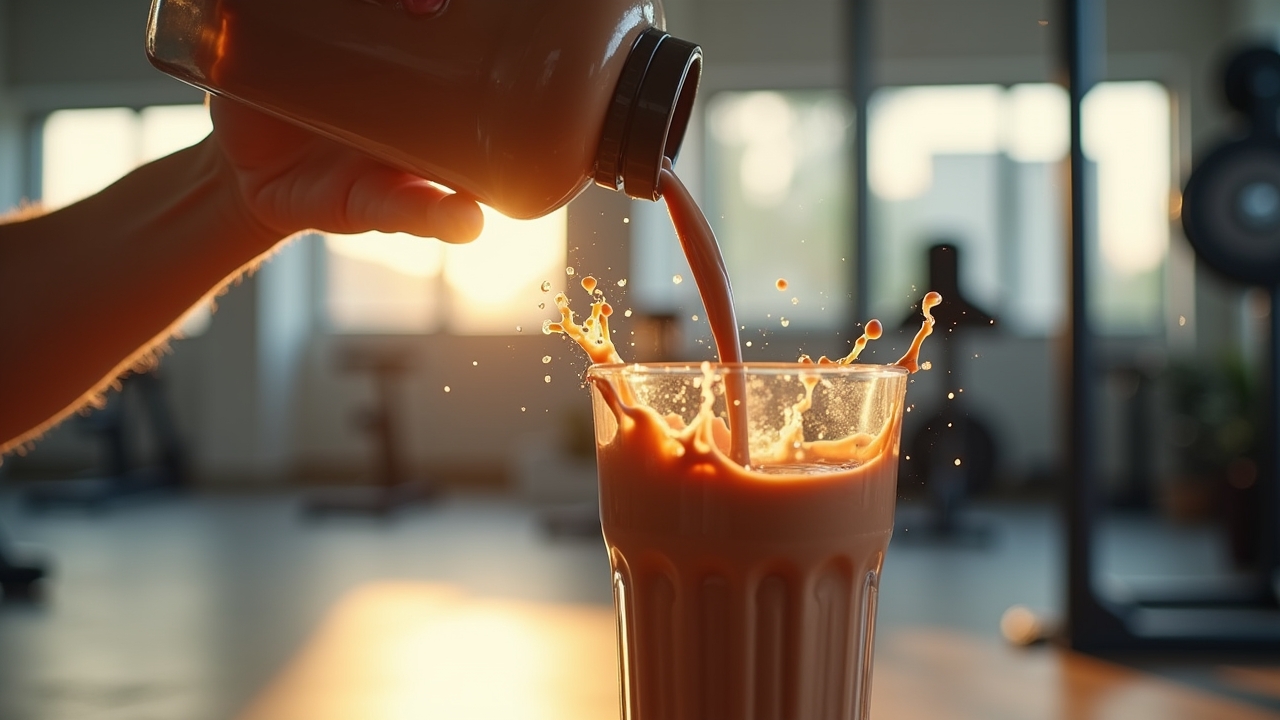
Real talk — supplements are convenient but they ain’t magic. I wasted so much money on fancy protein powders in my twenties thinking they were somehow superior to whole food sources. A basic whey protein isolate gets the job done for most people.
Use them to fill gaps in your diet, not replace actual meals. That’s a lesson that was learned the hard way by yours truly after months of “shake only” lunches that left me feeling terrible and honestly kind of cranky all afternoon.
Signs You’re Not Getting Enough Protein
Before I dialed in my nutrition, I experienced all of these and didn’t connect the dots. Slow recovery between workouts, constant soreness, muscle fatigue that wouldn’t quit. Even my sleep was garbage.
If your strength gains have plateaued despite consistent resistance training, protein intake is literally the first thing you should audit. It’s usually the culprit.
Your Muscles Are Built in the Kitchen, Seriously
Getting your optimal protein intake right is honestly one of the highest-impact changes you can make for muscle growth. But remember — your body is unique, so adjust these guidelines based on your weight, activity level, and goals. And always check with a healthcare professional before making drastic dietary changes, especially if you have kidney concerns.
If you found this helpful, head over to the Elite Body System blog for more no-nonsense guides on training, nutrition, and building the body you’ve been working toward. We’ve got plenty more where this came from!