Advertisements

How a High-Performance Nutrition Plan Changed Everything for Me (And Why You Need One Too)
Here’s a stat that honestly blew my mind: according to the International Society of Sports Nutrition, nearly 80% of people who train consistently still don’t fuel their bodies properly. Eighty percent! I was one of them for years, and let me tell you, it was the most frustrating plateau of my life.
A high-performance nutrition plan isn’t just for elite athletes or bodybuilders posing on stage. It’s for anyone who wants their body to actually respond to the work they’re putting in. And once I figured that out, everything changed.
What Exactly Is a High-Performance Nutrition Plan?
So let’s break this down real quick. A high-performance nutrition plan is a structured eating strategy designed to optimize energy levels, recovery, and body composition based on your specific goals and activity level. It goes way beyond just “eating clean.”
We’re talking about macronutrient balance, meal timing, nutrient density, and strategic fueling around workouts. Think of it like premium fuel for a sports car — you wouldn’t dump regular unleaded into a Ferrari, right? Your body deserves that same respect.
The Mistake That Cost Me Two Years of Progress
I’ll be honest, I spent about two years just winging it. I’d eat a chicken breast here, some rice there, maybe throw in a protein shake and call it a day. My workouts were intense but my results was mediocre at best.
The turning point came when a buddy of mine — a sports dietitian — sat me down and said, “Dude, you’re undereating on training days and overeating on rest days.” It was like a lightbulb went off. I had my calorie cycling completely backwards, and my performance was suffering because of it.
Advertisements
Building Your Own Plan: Where to Actually Start
First things first, you gotta figure out your total daily energy expenditure (TDEE). This is the foundation of any solid nutrition strategy. Without knowing how many calories your body actually needs, you’re basically driving blindfolded.
Once you’ve got that number, here’s the framework I personally follow:
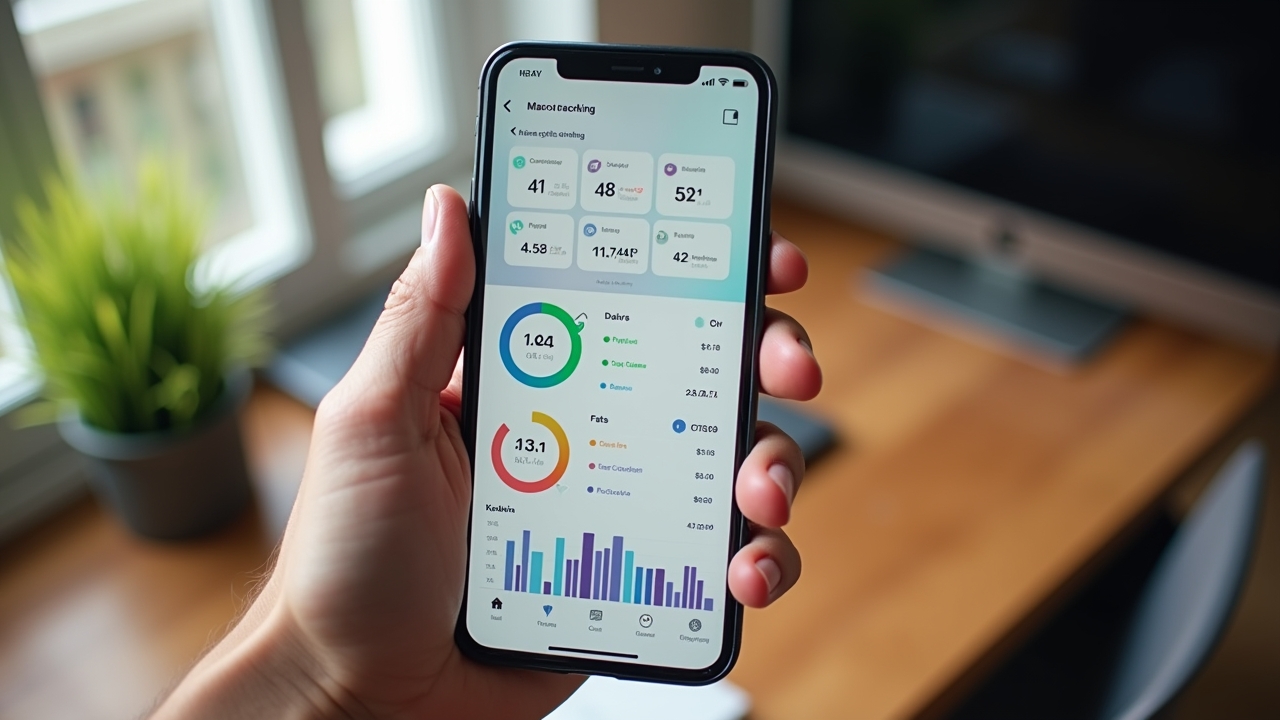
- Protein: I aim for about 1 gram per pound of bodyweight daily. This supports muscle protein synthesis and recovery like nothing else.
- Carbohydrates: These get adjusted based on training intensity. Heavy leg day? More carbs. Rest day? I scale them back a bit.
- Healthy fats: Around 25-30% of total calories. They’re essential for hormone production and joint health, which people totally overlook.
Meal Timing: Does It Actually Matter?
Look, I used to think meal timing was bro-science nonsense. I was wrong. While it’s not the most important factor, strategic nutrient timing around your workouts can genuinely boost performance and recovery.
What worked for me was having a balanced pre-workout meal about 90 minutes before training — usually some oats, a banana, and a scoop of whey. Post-workout, I’d hit a protein-rich meal within about an hour. The Journal of the International Society of Sports Nutrition has published some solid research backing this up.
Supplements: The Cherry on Top (Not the Whole Sundae)
Here’s where people get it twisted. Supplements are meant to supplement a good diet, not replace it. I wasted so much money on fancy pre-workouts and fat burners before realizing the basics were all I really needed.
My current stack is pretty simple: creatine monohydrate, a quality whey protein, vitamin D, and omega-3s. That’s it. Nothing flashy, but it gets the job done when the foundation of whole foods is already solid.
The Part Nobody Talks About: Consistency Over Perfection
I used to beat myself up over a missed meal or an unplanned pizza night. But here’s the thing — one bad meal won’t wreck your progress any more than one good meal will make you shredded. It’s what you do consistently over weeks and months that matters.
A high-performance nutrition plan should fit your lifestyle, not the other way around. Customize it. Adjust it. Make it yours.
Your Move Now
Building an optimal nutrition strategy takes some trial and error, and that’s completely okay. Start with the basics, track what works, and don’t be afraid to tweak things as you go. Just please, consult a healthcare professional before making any drastic dietary changes — especially if you have existing health conditions.
If you found this helpful, there’s plenty more where this came from. Head over to the Elite Body System blog for more guides on training, recovery, and fueling your best self. You’ve got this!