
Advertisements
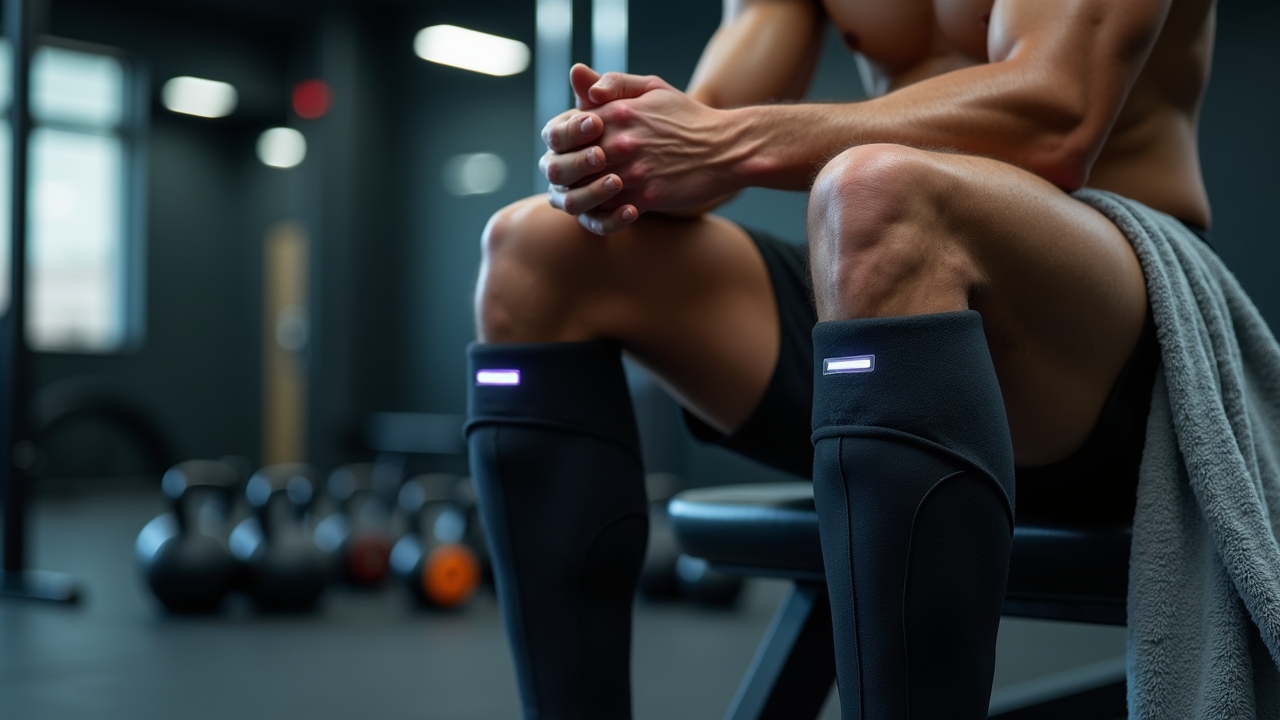
Elite Recovery Protocols Training: What I Wish Someone Had Told Me Years Ago
Here’s a stat that honestly blew my mind — roughly 70% of athletes who overtrain end up injured within six months. I was one of them. Back in my early thirties, I thought pushing harder every single day was the secret, and elite recovery protocols training wasn’t even on my radar!
Look, I get it. Recovery sounds boring compared to hitting a new PR or crushing a workout. But after tweaking my lower back so badly I couldn’t tie my shoes for two weeks, I finally understood that how you recover is just as important as how you train.
What Exactly Are Elite Recovery Protocols?
Elite recovery protocols are structured strategies used by high-level athletes and coaches to maximize the body’s repair process between training sessions. We’re talking about things like active recovery techniques, sleep optimization, nutrition timing, and mobility work. It’s not just sitting on the couch, though honestly that has its place too.
The whole idea is to reduce muscle soreness, prevent overtraining syndrome, and come back stronger for your next session. When I finally started treating recovery like an actual part of my program — not an afterthought — everything changed.
My Biggest Recovery Mistake (And It Was Dumb)
So there I was, training six days a week with zero deload weeks. No foam rolling, barely stretching, and sleeping maybe five hours a night because I was “grinding.” Classic mistake.
My cortisol levels were probably through the roof, and my performance was actually getting worse. I remember being frustrated because I couldn’t understand why my squat numbers were dropping even though I was training more than ever. Turns out, your body doesn’t get stronger during the workout — it gets stronger during recovery.
Advertisements
The Recovery Protocols That Actually Work
After doing a ton of research and honestly just trial and error, here’s what’s been a game-changer for me. These aren’t fancy or expensive, but they work.
- Sleep hygiene: Getting 7-9 hours of quality sleep is non-negotiable. I started using blackout curtains and cutting screens an hour before bed. The difference was night and day — pun intended.
- Post-workout nutrition: Consuming protein and carbs within that post-exercise recovery window helped my muscle repair tremendously. A simple whey shake and a banana does the trick.
- Active recovery days: Instead of doing nothing or going hard, I started incorporating light movement like walking, swimming, or easy cycling. This promotes blood flow without taxing the nervous system.
- Cold water immersion: I’ll be honest, I hated cold plunges at first. But the reduction in inflammation and delayed onset muscle soreness was noticeable after just a couple weeks.
- Mobility and soft tissue work: Foam rolling, lacrosse ball work, and dynamic stretching became part of my daily routine. My joints thanked me big time.
How to Build Recovery Into Your Training Program
Here’s where people mess up — they try to add recovery on top of an already packed schedule. You gotta build it in from the start. Periodization is your best friend here.
I now program deload weeks every fourth week where I cut volume by about 40-50%. My training split also includes at least two dedicated recovery days. And honestly, some of my best gains have come after those lighter weeks because my body was actually given permission to adapt.
Another thing that helped was tracking my heart rate variability each morning. When my HRV was low, I knew to back off. It took the guesswork out of knowing when to push and when to chill.
Don’t Forget the Mental Side
Recovery isn’t just physical. Mental fatigue from intense training is real and it’s been underestimated for way too long. I started doing 10 minutes of breathwork after hard sessions, and my stress management improved dramatically. It sounds woo-woo but the science backs it up.
Your Body Is Talking — Start Listening
Elite recovery protocols training isn’t reserved for professional athletes. It’s for anyone who takes their fitness seriously and wants to stay in the game long-term. Customize these strategies to fit your lifestyle, listen to your body, and please don’t make the same stubborn mistakes I did.
If you found this helpful, make sure to check out more posts over at the Elite Body System blog for training tips, recovery strategies, and everything in between. Your future self will thank you!