
Advertisements
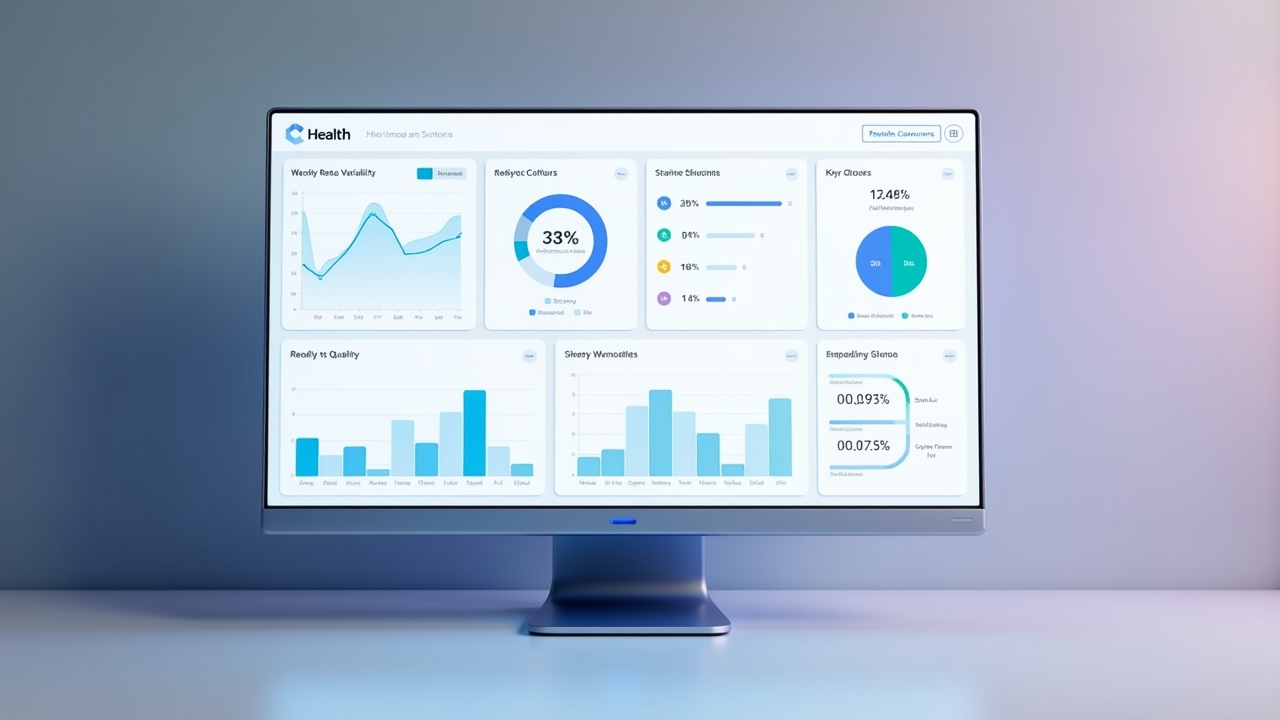
Data-Driven Training Wearables: How a Little Device on My Wrist Changed Everything
Here’s a stat that honestly blew my mind — the global fitness wearable market is expected to surpass $180 billion by 2030. That’s not just a trend, folks. That’s a full-on revolution in how we approach exercise, recovery, and overall health!
I’ll be real with you. Three years ago, I thought data-driven training wearables were just fancy pedometers for tech bros. Then my buddy handed me his old Garmin, and everything I thought I knew about my fitness routine got flipped upside down.
What Exactly Are Data-Driven Training Wearables?
In simple terms, these are devices you wear — usually on your wrist, chest, or finger — that collect real-time biometric data during your workouts and throughout the day. We’re talking heart rate monitoring, sleep tracking, VO2 max estimates, HRV readings, and sometimes even blood oxygen saturation.
Brands like WHOOP, Garmin, and Apple Watch have turned these little gadgets into legit performance coaching tools. The data gets crunched by algorithms that then tell you if you should push harder or, honestly, just take a nap. It’s kind of wild.
My Embarrassing Wake-Up Call
So here’s my personal anecdote, and it’s not flattering. I was overtraining like crazy — running five days a week, hitting the gym on the other two, sleeping maybe five hours a night, and wondering why I felt like absolute garbage. I thought more effort meant more results.
When I started wearing that Garmin, the recovery metrics were screaming at me. My body battery score was consistently in the teens, and my HRV was tanked. I was literally running myself into the ground and the wearable data proved it in cold, hard numbers.
Advertisements
That moment of frustration actually became a turning point. I finally listened to the data instead of my ego.
How Wearable Technology Actually Improves Your Training
The real magic of fitness tracking devices isn’t just collecting numbers. It’s what you do with them. Here’s what I’ve learned works best after years of experimenting:
- Heart rate zone training — Staying in the right zone for your goals (fat burn, aerobic, anaerobic) makes sessions way more efficient. I was doing all my runs in zone 4 when most should’ve been in zone 2.
- Recovery optimization — Tools like WHOOP give you a daily recovery score based on sleep quality, HRV, and resting heart rate. On low recovery days, I now dial it back. No shame in that.
- Sleep analysis — This was a game-changer for me. I discovered my deep sleep was almost nonexistent, which explained a lot about my afternoon energy crashes.
- Progressive overload tracking — Some wearables sync with apps that help you track volume and intensity over time, so you’re actually progressing and not just winging it.
A Quick Tip From Experience
Don’t obsess over every single metric every day. I made that mistake too — checking my stats every hour like some kind of data-addicted maniac. Pick two or three key performance indicators that align with your goals and focus on those. For me, it’s HRV, sleep quality, and weekly training load.
Are There Downsides? Yeah, A Few
Look, wearable fitness technology isn’t perfect. The accuracy of wrist-based heart rate sensors can be questionable during high-intensity movements — studies have shown they sometimes struggle with activities like CrossFit or heavy lifting. Chest straps are generally more reliable if precision matters to you.
There’s also the mental health angle, which don’t get overlooked. Some people develop anxiety around their scores. If a bad sleep score ruins your whole morning, it might be time to take a step back. The wearable should serve you, not the other way around.
So What’s the Move From Here?
Data-driven training wearables have genuinely transformed how everyday athletes and fitness enthusiasts approach their routines. They’ve certainly transformed mine. But remember — the device is a tool, not a coach. Use the data to inform your decisions, customize your approach to what your body actually needs, and don’t ignore how you feel just because a number says otherwise.
If you’re curious about more ways to level up your fitness game with practical, no-nonsense advice, head over to the Elite Body System blog — we’ve got plenty of posts to keep you moving smarter, not just harder.