Advertisements
Hormone Optimization Training Nutrition: What I Wish I Knew 5 Years Ago
Here’s a stat that honestly blew my mind — roughly 25% of men over 30 are dealing with low testosterone levels, and most of them have no clue that their workout routine and diet are making it worse. I spent years grinding in the gym, eating what I thought was “clean,” and wondering why my energy was tanking and my gains had completely stalled. Turns out, I was ignoring the single most important factor in my fitness journey: my hormones!
Hormone optimization training nutrition isn’t some trendy biohacking buzzword. It’s the foundation that determines whether your body actually responds to all that hard work you’re putting in. And honestly, once I figured this out, everything changed.
Why Your Hormones Are Running the Show
I used to think calories in, calories out was the whole game. Boy, was I wrong. Your hormones — testosterone, cortisol, insulin, growth hormone — they’re basically the managers deciding where nutrients go and how your body recovers.
When I was overtraining six days a week and barely sleeping, my cortisol was through the roof. My body was holding onto belly fat like it was preparing for a famine, and my testosterone levels were probably in the gutter. According to the Endocrine Society, chronic stress and poor nutrition are two of the biggest disruptors of hormonal balance.
The frustrating part? Nobody at my gym was talking about this stuff. Everyone was obsessed with pre-workouts and protein timing, while the real problem was hormonal.
Training Strategies That Actually Support Your Hormones
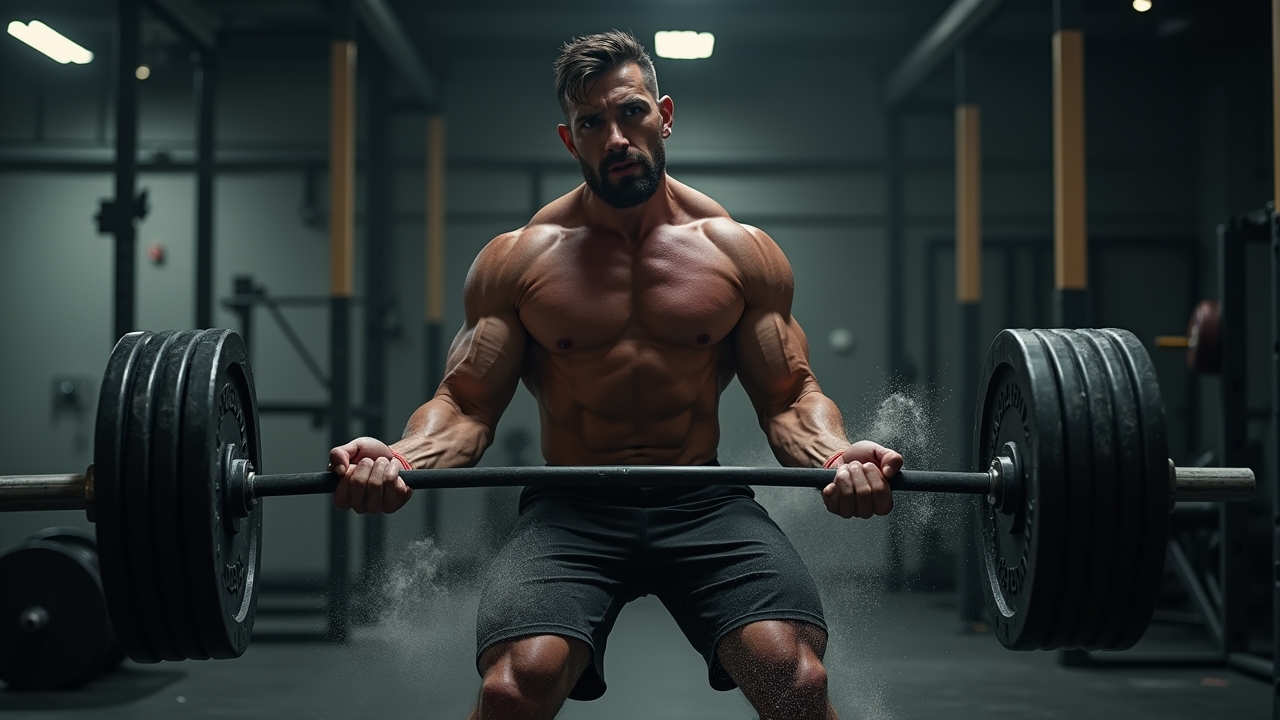
So here’s what I learned the hard way. Compound lifts like squats, deadlifts, and bench press are absolute kings for naturally boosting testosterone and growth hormone. I had been spending way too much time on isolation exercises and cardio machines.
Advertisements
Resistance training with heavy loads — think 75-85% of your one-rep max — has been shown to trigger significant hormonal responses that support muscle growth and fat loss. But here’s the catch: you gotta keep your sessions under 60 minutes. Anything longer and cortisol starts creeping up, which basically undoes all the good stuff.
- Prioritize compound movements 3-4 times per week
- Keep training sessions between 45-60 minutes
- Include rest days — seriously, they’re not optional
- Add high-intensity interval training sparingly, maybe once or twice a week
I made the mistake of doing HIIT five days a week for about three months. My sleep got wrecked, my joints were aching, and I actually lost muscle. Overtraining is real, and your endocrine system pays the price.
The Nutrition Side Nobody Gets Right
Alright, this is where things get really interesting. Dietary fat is not your enemy — it’s literally the building block of hormones. When I cut fats below 20% of my daily calories trying to get lean, my testosterone dropped noticeably.
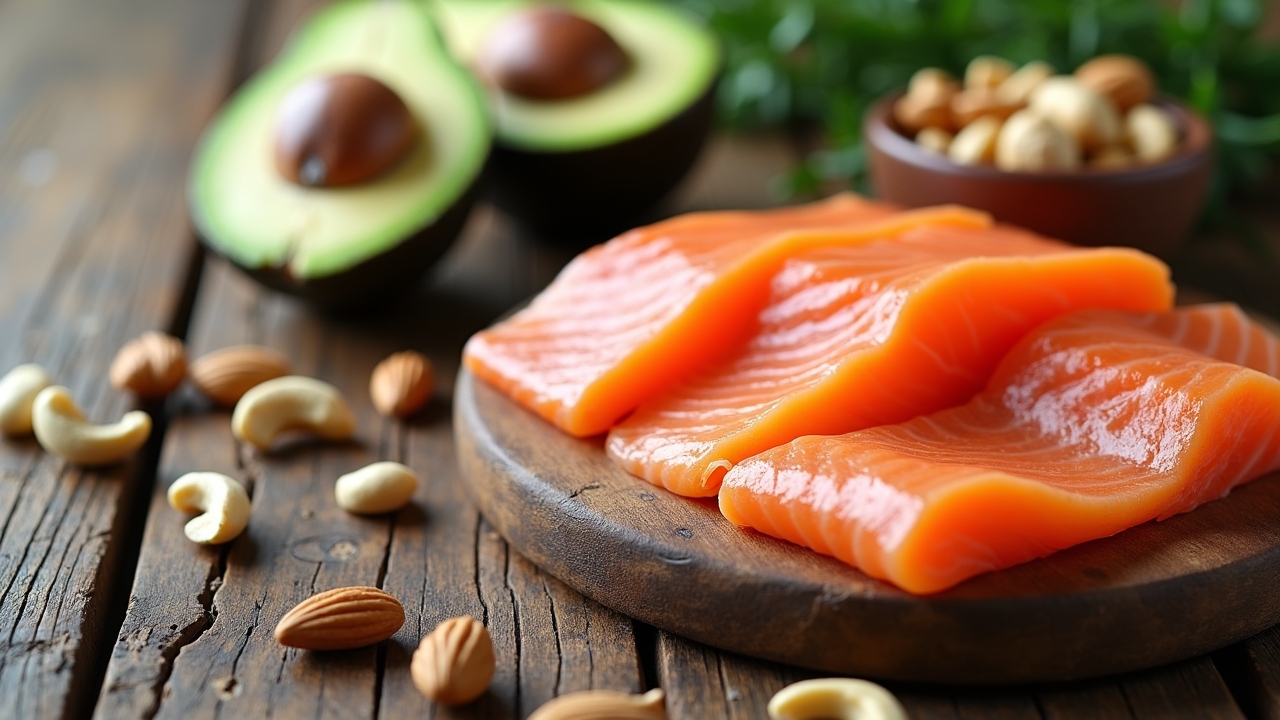
Healthy fats from sources like avocados, olive oil, eggs, and fatty fish are essential for steroid hormone production. I also started paying way more attention to micronutrients. Zinc, magnesium, and vitamin D are like the holy trinity of hormonal health, and most people are deficient in at least one of them.
Here’s my current approach to hormone-supportive nutrition:
- Protein at roughly 0.8-1 gram per pound of bodyweight
- Fats making up 25-35% of total calories
- Complex carbs timed around workouts for insulin management
- Cruciferous vegetables daily for estrogen metabolism
One thing that was a total game-changer? Eating enough carbohydrates. The keto crowd might come for me, but carbs help regulate thyroid function and keep cortisol in check, especially for people who train hard. The American Society for Nutrition has some solid resources on this if you want to dig deeper.
Sleep and Stress: The Unsung Heroes
I can’t write about hormone optimization without mentioning sleep. Most of your growth hormone is released during deep sleep cycles, and testosterone production peaks in the early morning hours. When I started prioritizing 7-8 hours consistently, my recovery improved dramatically. It felt like I had unlocked a cheat code.
Your Hormones, Your Rules
Look, everyone’s hormonal profile is different, so what worked for me might need tweaking for you. Get bloodwork done — it’s honestly the smartest investment you can make. Always consult with a healthcare professional before making drastic changes, especially if you suspect a hormonal imbalance.
But the basics? Train smart, eat enough of the right stuff, sleep like it matters, and stop ignoring the hormonal side of fitness. If you want more practical guides like this, head over to the Elite Body System blog — we’re building a library of no-nonsense content to help you train and live better.