
Advertisements
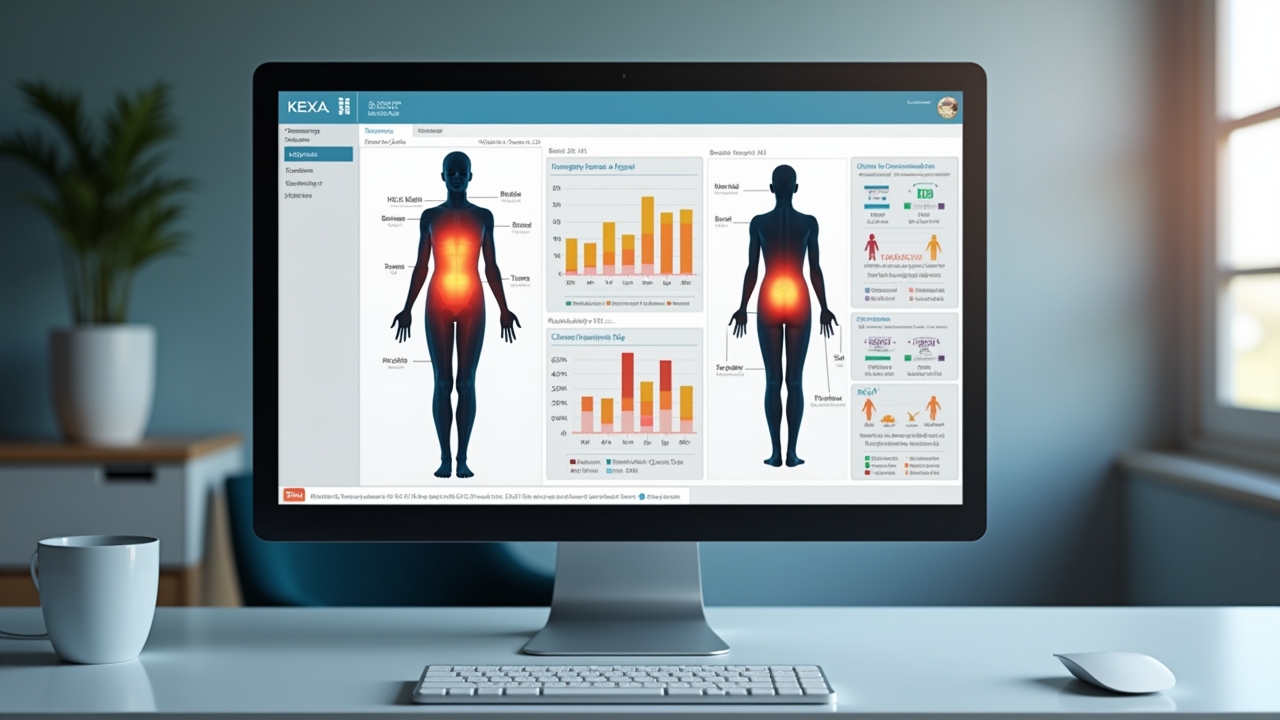
DEXA Scan Body Composition: Why I Wish I’d Done This Years Ago
Here’s a stat that kinda blew my mind — the scale in your bathroom can be off by as much as 30% when it comes to telling you what’s actually going on inside your body. I spent years obsessing over a number on that little digital screen, and honestly, it was one of the biggest mistakes of my fitness journey. Then I discovered the DEXA scan body composition test, and everything changed!
If you’ve ever wondered where your fat actually sits, how much lean muscle mass you’re carrying, or whether your “weight loss” is actually muscle loss in disguise, this article is for you. Let me walk you through what I learned the hard way so you don’t have to.
What Exactly Is a DEXA Scan?
DEXA stands for Dual-Energy X-ray Absorptiometry. Yeah, it’s a mouthful. Basically, it’s a medical-grade imaging technology that was originally designed to measure bone mineral density, but it turned out to be incredibly accurate for measuring body fat percentage, lean tissue, and fat distribution too.
You lie on a table for about 10 minutes while a low-dose X-ray arm passes over your body. It’s painless — like, genuinely painless. The radiation exposure is minimal, roughly equivalent to a day of natural background radiation according to the Radiological Society of North America.
What makes it special is the regional breakdown. You don’t just get one body fat number. You get data for your arms, legs, trunk, and even visceral fat levels, which is the dangerous stuff hiding around your organs.
My First DEXA Experience (And the Humbling Results)
So I walked into the clinic feeling pretty confident. I’d been lifting weights for about two years and my BMI said I was “normal.” Spoiler alert — BMI is basically useless for anyone who exercises regularly.
Advertisements
The results were… humbling, to say the least. My overall body fat percentage was way higher than I expected, and I had a noticeable imbalance between my left and right side. Turns out I was favoring my dominant arm during workouts without even realizing it.
But here’s the thing that actually got me excited. For the first time, I had a real baseline. Not some guess from a handheld device or a bioelectrical impedance scale that changes depending on how hydrated you are. Actual data I could track over time.
Why DEXA Beats Other Body Composition Methods
Look, there’s a bunch of ways to measure body composition out there. Skinfold calipers, BIA scales, hydrostatic weighing, even Bod Pods. I’ve tried most of them, and here’s my honest take:
- Skinfold calipers — super dependent on who’s doing the measuring. I got wildly different readings from two trainers at the same gym.
- BIA scales — convenient but easily thrown off by hydration, meals, and even the time of day.
- Hydrostatic weighing — accurate but you gotta get dunked underwater. Not exactly fun.
- DEXA scan — considered the gold standard for body composition analysis. Repeatable, precise, and gives you that regional data nobody else can.
The margin of error on a DEXA is typically around 1-2%, which is leagues ahead of most consumer-grade alternatives.
Practical Tips Before You Book Your Scan
After getting three scans over the past couple years, I’ve picked up some tips that nobody told me upfront. First, try to get scanned at the same time of day, wearing similar clothing, and in a similar hydration state. Consistency matters for accurate comparisons.
Second, don’t eat a huge meal right before your appointment. It won’t drastically change results, but it can slightly affect soft tissue readings. Also, if your gym offers cheaper alternatives, a clinical facility with a Hologic or GE Lunar machine is generally gonna give you more reliable results.
Finally, don’t freak out at your first scan. Seriously. That number is a starting point, not a verdict.
Your Body Tells a Story — Start Reading It
The truth is, understanding your body composition through a DEXA scan isn’t about vanity. It’s about making informed decisions for your health, whether that means adjusting your nutrition, rethinking your training split, or keeping an eye on visceral adipose tissue as you age.
Everyone’s body is different, so customize what you learn to fit your goals and always consult a healthcare professional before making major changes. If you’re hungry for more practical fitness and health insights, check out the Elite Body System blog — we’ve got plenty more where this came from!